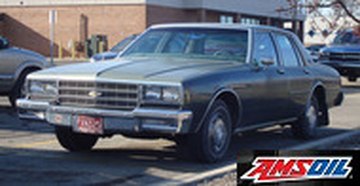
Maintaining Lubrication Standards for the 1981 Chevrolet IMPALA 5.0L
Proper engine maintenance is a cornerstone of long-term vehicle health, particularly for an engine like the 5.0L found in the 1981 Chevrolet IMPALA. Maintaining the correct lubrication standards ensures that internal components operate with minimal friction and that heat is managed effectively during operation. For owners of this vehicle, staying proactive with fluid inspections and understanding how to select appropriate lubricants can prevent many common mechanical concerns.
Monitoring Fluid Integrity and Potential Leaks
One of the most effective ways to monitor the health of a 5.0L engine is through regular visual inspections for fluid integrity. Over time, various seals and gaskets may experience changes in their ability to contain fluids. When performing routine checks, it is useful to look for signs of seepage or active leaks around the engine block and associated sealing surfaces.
If you notice dark staining or wetness on the underside of the engine or near the oil pan area, this may indicate that a seal is no longer providing an airtight or watertight barrier. Similarly, checking the condition of hoses, if present, can help identify potential cooling or vacuum issues before they escalate. It is also beneficial to inspect electrical connections and wiring for any signs of fraying or heat damage, as these components often reside in close proximity to the engine's heat sources.
When observing the vehicle, keep an eye out for any unusual changes in how the engine behaves. While symptoms like a change in exhaust color or unusual mechanical noises can have many different causes, they are important indicators that warrant further investigation. Rather than attempting to diagnose a specific component based on a single observation, these signs should be treated as prompts to perform a more thorough inspection of the entire lubrication and cooling system.
Prioritizing Maintenance Based on Current Condition
For an older vehicle, maintenance strategies are often most effective when they are based on the actual current condition of the machine rather than just its age. If you have recently acquired this 1981 Chevrolet IMPALA, a logical first step is to establish a maintenance baseline. This involves reviewing any available service records to see what has been performed in the past and identifying any immediate needs.
If documentation of previous repairs or fluid changes is unavailable, your priority should be a comprehensive inspection of all vital systems. This includes checking the condition of accessible belts, if equipped, for signs of cracking, glazing, or fraying. Inspecting the air filtration system is also a key part of establishing this baseline, as clean airflow is essential for efficient combustion and engine cleanliness.
As you continue to own the vehicle, transition from reactive repairs to preventive monitoring. This means not just fixing what is broken, but watching for trends. For example, if you notice that the engine requires more frequent top-offs of fluids than it did previously, this change in consumption should be documented and investigated. Keeping a detailed log of all completed maintenance, including the dates and types of lubricants used, will provide invaluable data for making future service decisions.
The Role of Lubrication in Engine Longevity
Engine oil performs several vital roles that are necessary for the continued operation of the 5.0L engine. Beyond simply reducing friction between moving parts, the lubricant acts as a medium for heat management, helping to carry thermal energy away from high-temperature zones within the engine. It also serves as a cleaning agent, helping to suspend and move microscopic particles throughout the system so they can be captured by the oil filter.
Maintaining the cleanliness of this fluid is essential. As oil undergoes thermal cycles, it can eventually begin to lose its ability to manage contaminants effectively. This can lead to the buildup of deposits or sludge, which may interfere with the smooth operation of various engine components. Regular service ensures that the lubricant remains capable of providing consistent protection and managing the internal environment of the engine.
Managing Aging Components and Materials
As vehicles age, the materials used in their construction—such as rubber, plastic, and various sealants—can undergo changes due to heat cycles and environmental exposure. For a 1981 model, it is practical to be mindful of these aging materials. While many components are designed for long service lives, they may eventually require closer monitoring.
When inspecting the engine bay, look specifically at any rubber-based components or hoses that appear brittle or excessively soft. If the vehicle has been sitting for extended periods, checking the condition of the battery connections and other electrical interfaces is also a wise precaution. The goal of age-related maintenance is not to replace parts that are still functioning correctly, but to identify those that are approaching the end of their reliable service life through careful observation.
Effective Record Keeping for Long-Term Ownership
A well-maintained history of service can significantly impact the ease of maintaining an older vehicle. By keeping a dedicated folder or digital log of every oil change, filter replacement, and mechanical repair, you create a roadmap for the vehicle's future needs. This is particularly helpful when trying to distinguish between a new issue and a long-standing characteristic of the engine.
Detailed records allow you to see patterns. For instance, if you know exactly when a specific belt was replaced, you can better predict when it might be time for a proactive inspection. Furthermore, having a clear history of which lubricants were used helps ensure that you remain consistent with the application requirements of the engine, preventing any accidental use of incompatible products.
Practical Guidance for Buying Engine Oil for your 1981 Chevrolet IMPALA 5.0L
When it is time to replenish your engine's lubrication, the most important step is to ensure that the product you select matches the specific requirements of your engine. Because different engines have unique needs regarding chemical composition and flow characteristics, you should always refer to the application-specific viscosity and lubricant information provided on this webpage before making a purchase.
When browsing available products, consider the following practical tips:
- Verify the Label: Always check the product packaging to ensure it meets the necessary standards for your specific engine application.
- Evaluate Formulations: Depending on your engine's current condition and mileage, you may encounter various options such as conventional oil, synthetic blends, or full synthetic oils. Some high-mileage formulations also contain additives intended for use in aging engines, including seal-conditioning additives.
- Check Certification: Ensure the oil carries the appropriate API certification to confirm it meets modern quality and performance standards.
- Avoid Assumptions: Do not rely on general knowledge or assumptions based on the vehicle's age; always match your selection to the specific viscosity information displayed in the application data above.
By following the specific guidance provided in the technical data for this 1981 Chevrolet IMPALA, you can select a lubricant that supports the continued health and performance of your 5.0L engine.